EZZA DENTAL CARE
  • Welcome
  • Dental Services
    • Dental Braces
    • Dental bridges
    • Dental Crowns
    • Filling Or Cementing
    • Root canal therapy
    • Scaling & Polishing
    • Tooth Dentures
    • Teeth Whitening
    • Tooth Extraction
  • Smile Galleries
  • Blog
  • Contact Us
  • Book Appointment
  • Search
  • Menu Menu

Tag Archive for: dentist near me

Appliance to manage bruxism/teeth grinding

Bruxism: 5 indicators and an assured solution to teeth grinding

Uncategorized
Appliance to manage bruxism/teeth grinding

Mouth guard to stop teeth grinding

Let me tell you about our home village in Bukunja and teeth grinding also known as bruxism. Before the adoption of electricity, we ate our supper early. Commonly when the sun was setting. No one ate after dark. It was abominable! Why eat in darkness? What forbidden substances are you consuming shrouded in darkness? Perhaps you were a cannibal –the dreaded night dancers.

These concerns alone kept us eating during daylight. Even the slightest indication of tooth grinding at night labeled you a cannibal. We did not know teeth grinding as a medical condition called Bruxism. Bruxism/ teeth grinding is a repetitive abnormal jaw-muscle activity leading to involuntary teeth grinding or clenching and /or compression of the jaws which may happen while sleeping or awake.

Types of bruxism

  1. Wake or  day-light bruxism happens while you are awake and,
  2. Sleep or  nocturnal bruxism happens while you sleep.

Types of sleep bruxism

Sleep bruxism is further subdivided into primary sleep bruxism, secondary sleep bruxism and iatrogenic sleep bruxism.

  1. Primary (idiopathic sleep bruxism) is associated with neither medical nor psychological cause.
  2. Secondary sleep bruxism, this can be as a result of medical or psychological problems e.g., sleep disorders anxiety, stress, and drug consumption.
  3. Iatrogenic sleep bruxism is believed to be induced by medical drugs.

Wake bruxism on the other hand is associated with stress. Stress and related negative emotions like anxiety and anger are the primary (70% of cases) of teeth grinding. In some instances, it may also be provoked by certain medications or an aggressive personality.

Symptoms for bruxism

Understanding the symptoms of teeth grinding fosters early diagnosis and timely management. These are the symptoms of bruxism

  1. If the sound of teeth grinding is a frequent disturbance to your sleep partner, it is a clear signal that you may be grappling with bruxism.
  2. If you find yourself repeatedly enduring unexplained fractures in your teeth and dental restoration, there’s a high likelihood that bruxism is the culprit.
  3. If you wake up to facial muscle pains, particularly in the morning, it could be a sign of bruxism.
  4. If you struggle to widely open your mouth upon waking, you may be suffering from sleep bruxism.
  5. Consistent dull headaches and jaw locking upon waking may indicate that you’re experiencing bruxism during sleep.

Consequences of teeth grinding

As a result of teeth griding, one can experience fatigue in facial muscles, pain in the jaw, and a hastened loss of enamel, often concentrated in the incisal edge and occlusal surfaces of the teeth. In severe cases, this condition can even result in tooth loss and temporal disorders of the mandibular joint. You risk grinding your teeth if you:

  1. Smoke,
  2. Consume excess alcohol,
  3. Consume excess caffeine or,
  4. Abuse drugs.

Risk factors of teeth grinding

While there is no fail-safe mechanism for completely controlling teeth grinding, there exist a range of strategies for managing the risk and mitigating its harmful consequences. These include

  1. avoiding risk factors such as alcoholism,
  2. smoking, and excessive caffeine or drug intake;
  3. regulating one’s wake time and steering clear of abnormal oral habits such as clenching;
  4. and utilizing techniques such as biofeedback and cognitive behavioral therapy.

What to do about teeth grinding

If you experience grind your teeth, visit your dentists for professional help before more complications arise such as damage to your teeth and dental restorations, Receding gums, bone loss, Disorder of the Temporomandibular Joint (TMJ), Arthritis in your jaw and Eating disorders. Your dentist might suggest any of the following options:

  1. Make lifestyle changes to reduce stress
  2. Jaw exercises and massage
  3. Mouth guards and splints
  4. Muscle relaxants
  5. Treat associated disorders

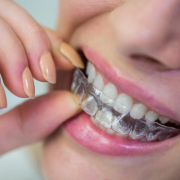
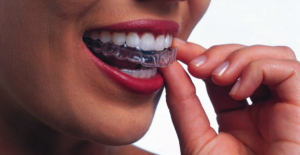
The most commonly prescribed and reliable solution for the grinding teeth is the mouth guard. Its a medical grade wearable appliance that separates your teeth while you sleep to avoid teeth from grinding on each other.

February 28, 2023/by Ezza Dental Care
https://ezzadentalcare.com/wp-content/uploads/2023/02/woman-wearing-orthodontic-silicone-invisible-braces-1.jpg 1000 1500 Ezza Dental Care https://ezzadentalcare.com/wp-content/uploads/2023/02/ezza-dental-logo.png Ezza Dental Care2023-02-28 20:33:372026-06-11 09:56:55Bruxism: 5 indicators and an assured solution to teeth grinding
EZZA DENTAL CARE

Expert tooth extractions and 5 care tips

Uncategorized

Tooth extraction is the process of removing a tooth for oral health purposes. Dentists avoid tooth extraction except in special circumstances such as impacted wisdom teeth, dental trauma, infection, severe tooth decay, gum disease, or overcrowded teeth. In these circumstances, tooth extractions confer many benefits. In today’s blog, Ezza dental care explains what you can expect.

Tooth extraction
Client during a consultation at Ezza Dental Care

Broadly speaking, we have two types of tooth extractions: simple and surgical extraction. Simple extraction works when extracting visible teeth above the gum, it is removed in one peace. The dentist does not employ any surgical procedure. For this reason, the procedure is relatively easy and costs less than surgical extraction. Surgical extraction works for more complicated cases such as cracked teeth and impacted teeth. At Ezza dental care, the dentist will discuss treatment options with you depending on the state of your tooth. Sometimes, you need don’t need teeth extraction and should therefore not blindly extract your tooth because of anxiety and related factors.

Related article: Treatment and repair for a broken tooth

What should I expect during tooth extraction?

First, consult with your dentist. Most times, the dentist advises against extraction and recommends conservation. Otherwise, the dentist will examine you and determine if you need to start or stop certain medications before the surgery. For most people, however, the dentist will extract the tooth on the first visit. If you need surgical extraction, the dentist will make a small incision into your gums to access the tooth before removing it. The process will last between 10 to 30 painless minutes thanks to local anaesthesia. Local anaesthesia numbs part of the mouth and ensures a pain-free tooth e

Extraction. After the process, the dentist will give cotton to chew on to facilitate blood clotting, and the healing process starts. Tooth extraction healing takes several days. However, schedule an appointment with your dentist immediately if you notice any of the following signs: 

  • Fever
  • Severe swelling that does not go down after a few days  
  • Severe pain
  • Numbness beyond 24 hours after the extraction.
  • A bad taste in your mouth that doesn’t go away after a salt water rinse
  • Excessive bleeding
  • Pus coming from the socket

5 care tips after extraction

These steps help avoid complications like dry sockets.

Related article. Dry Socket: Causes, Symptoms and Treatment

The area will be tender but the following will facilitate healing:

  • Avoid the extraction site but brush the rest of the teeth and tongue
  • Eat and drink lukewarm healthy foods as you would, but avoid biting down on the extraction site.
  • Do not use a straw to drink anything.
  • Get plenty of rest to facilitate healing 
  • Regularly rinse the mouth with salt in warm water 

How Long Does It Take To Recover From an Extraction?

The period varies with the patient depending on tooth size and location plus after-care compliance.

For a simple extraction, the process takes about 48-72 hours to clot fully and the patient returns to normal activity. The soft tissue will usually fully heal in about 3-4 weeks. For a surgical extraction, the process may a little longer and adherence to after-care guidelines will make it faster. For work leave, the patient may take a day or two off depending on the amount of physical activity required for their job. The patient should discuss this with the surgeon beforehand.

January 22, 2023/by Ezza Dental Care
https://ezzadentalcare.com/wp-content/uploads/2020/06/IMG-20200613-WA0042.jpg 600 900 Ezza Dental Care https://ezzadentalcare.com/wp-content/uploads/2023/02/ezza-dental-logo.png Ezza Dental Care2023-01-22 13:02:012023-03-30 10:35:55Expert tooth extractions and 5 care tips
oral health month

Tips for your oral health – World Oral Health Month

Wellness monday

Every year in March, oral health care providers commemorate oral health and its promotion. This year was no different and was running with a theme, “Mind your mouth.” At Ezza Dental Care, we would like to remind you about how to be mindful of our mouths and oral health through the three important facets of tooth brushing, diet, and dental visits.

Brushing your teeth

Brushing one’s teeth is a form of oral hygiene practice which involves the removal of food debris and plaque from the teeth and the other oral structures.

It has obvious benefits such as

  • Preventing tooth decay
  • Reducing halitosis (bad breath)
  • Preventing gum disease

Any of the above can have detrimental effects on one’s psychosocial wellbeing and can also be a gateway to other illnesses.

Many times, we brush the same way we walk; just going through the motions. It is however important that we are mindful of each step of brushing our teeth in order to reap full benefits from the act. One must brush their teeth for a minimum of two minutes, taking care to clean all the tooth surfaces, palate, and tongue.

Below is a suggested sequence for brushing your teeth;

  1. Place a pea-sized amount of toothpaste on the toothbrush.
  2. Slightly wet the toothbrush using clean water.
  3. Brush your teeth using rotary movements as opposed to the horizontal or vertical scrubbing motions that we often use. Your dentist may recommend otherwise depending on the condition available but this is the baseline and most protective movement.
  4. Spit out as much foam as you can.
  5. Do not rinse your mouth after.
  6. The thin layer of toothpaste provides a fluoride-releasing mechanism and also acts as a protective barrier.
  7. Rinse your toothbrush with clean running water and then store it in a clean and dry space, away from other people’s toothbrushes.

The minimum number of times one must brush their teeth is twice, the night after they are done eating for the day and on one other occasion.

It is wise to change one’s toothbrush once it is not efficiently cleaning anymore and that is often between 3-6 months after the index use. In addition, it is advisable to change one’s toothbrush after recovery from a respiratory illness to avoid reinfection.

The option of whether to use a manual toothbrush or an automated one comes down to preference. Care must be taken to assist those less capable of brushing their own teeth for example the invalid, the disabled and the children since their oral health matters just like anyone else’s.

Remember to be mindful of your mouth by brushing your teeth.

Diet

Be mindful of your mouth by paying attention to your diet. Our diet consists of everything we consume as food. As much as we may enjoy eating the numerous things available, not everything that we indulge in is good for our health. Food contains a number of nutrients that play different roles in our bodies for example proteins are important for growth, carbohydrates are important for energy, vitamins are important for natural immunity, and so on.

Just like the rest of the body, our mouths benefit or suffer from the kind of diet we choose to indulge in. If we eat healthy nutritious food, we have healthy mouths and the reverse is true if we choose to eat unhealthily.

Some of the nutrients that are important for the health of our teeth include

  • Calcium
  • Phosphate
  • Magnesium
  • Iron

These are micronutrients that the tooth comprises and so including them in the diet in form of foods like

  • Milk
  • Vegetables
  • Fish, can strengthen the teeth and keep them healthy.

Vitamin C plays a big role in maintaining the integrity of our gums. Fruits and vegetables are a rich source and consumption of these are therefore vital in preventing gum disease.

On the other side of the coin, there exist foods that are bad for the teeth and the related oral structures. Foods rich in processed sugars like cakes, biscuits, white bread, and so on are bad for the teeth. This is because when one does not brush, they are broken down by the bacteria present in the mouth to form acids which in time break down the tooth structure causing decay.

Foods that contain a lot of acids like lemon juice and some soft drinks can also cause erosion of the tooth structure and thus cause sensitivity and tooth decay.

The latter groups of foods must be consumed in utter moderation and with rigorous oral hygiene measures to accompany them while the former must be included more in the diet for stronger teeth.

Dental visits

For many people, visiting the dentist is reserved for when they have teeth that are paining or when they are in some discomfort pertaining to their mouth. This is a mindset that should be changed considering that the earlier a disease is recognized and diagnosed, the easier and cheaper it is to treat it.

Routine dental visits are those where the mouth is examined and x-rays are taken in a bid to identify any present pathologies so as to plan treatment for them. They are commonly referred to as dental check-ups.

During these visits, the dentist can observe any abnormalities such as caries, calculus, gingivitis, and food impaction areas among others. This then enables them to put in place interventions to treat or prevent the disease from worsening. Often, the cost of treatment is thus less and the quality of life is improved as most can be caught before they begin to inflict pain.

At routine dental visits, tooth cleaning is also often offered. This is a professional dental cleaning done to remove the plaque and calculus that are difficult to remove when using a toothbrush or flossing. Extrinsic chromogenic stains are also removed and so one leaves with a clean mouth which minimizes the conditions necessary for the disease to develop.

Routine dental visits also alleviate the anxiety that comes with visiting a dentist as one gets psychologically conditioned to the environment of a dental office and the instruments used there and so they are more likely to seek treatment early for themselves and their loved ones.

It is advisable to have a routine dental visit at least twice a year, coinciding with the appointments for the dental cleaning.

April 2, 2022/0 Comments/by Lincoln Tentena
https://ezzadentalcare.com/wp-content/uploads/2022/04/oral-health-825x550-1.jpeg 550 825 Lincoln Tentena https://ezzadentalcare.com/wp-content/uploads/2023/02/ezza-dental-logo.png Lincoln Tentena2022-04-02 06:06:362022-04-02 06:06:39Tips for your oral health – World Oral Health Month
baby teeth

Ebinyo/Ebiino: why you should not take your child to a traditional healer to extract their unerupted teeth.

Wellness monday

In some cultures in Uganda, when a child is 4 to 8 months old, there’s a norm where they are taken to a traditional healer who extracts their unerupted teeth. This is done because it is believed that these tooth buds are a cause of the illness that commonly ails infants this age. This however is a form of Infant Oral Mutilation and has a number of disadvantages which will be elucidated later in this article.

When a child reaches 4 to 6 months, the immunity which was inherited from the mother starts to wear out and the child’s own immunity begins to take over. This may leave a gap during which the child can have a range of symptoms for example fever, diarrhea, rashes, irritability. This is a normal occurrence and can be easily managed by supportive treatment as prescribed by a pediatrician.

Unfortunately in many cultures when this happens, the baby is taken to a traditional healer who rubs the gums with some herbs and then later extracts the tooth bud. This is dangerous and has even resulted in fatalities in a number of incidents.

The dangers that an infant is exposed to include;

  • Excessive bleeding.
  • Infection.
  • Missing milk teeth,
  • Damage to the permanent teeth.
  • Malocclusion.

The effects of these are profound on the life of the child as they grow up. This is done out of ignorance and misinformation and superstition and it falls upon each of us to educate those who are less fortunate than us in that regard so that this practice can be fully eliminated from our communities.

March 1, 2022/0 Comments/by Lincoln Tentena
https://ezzadentalcare.com/wp-content/uploads/2022/03/istockphoto-1245081377-612x612-1.jpeg 408 612 Lincoln Tentena https://ezzadentalcare.com/wp-content/uploads/2023/02/ezza-dental-logo.png Lincoln Tentena2022-03-01 21:15:202022-03-01 21:15:22Ebinyo/Ebiino: why you should not take your child to a traditional healer to extract their unerupted teeth.
tonsilitis

Tonsillitis and oral health

Wellness monday

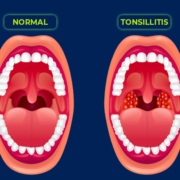
Tonsilitis is an inflammation of the tonsils which are two masses of lymphoid tissue on either side of the throat. They play a role in fighting infection that may use the oral cavity as a gateway into the airways. In some cases, they can get overwhelmed and henceforth get infected and inflamed resulting in the plethora of symptoms that characterize tonsillitis.

Signs and symptoms

These include;

  • Sore throat
  • Red tonsils
  • Headache
  • Loss of appetite
  • Ear-ache
  • Fever and chills
  • Difficult swallowing

What causes tonsilitis

Tonsilitis is caused by both bacterial and viral infections which are not ordinarily pathogenic in the mouth for example Streptococcus family of bacteria, adenoviruses, influenza viruses, herpes simplex viruses, and so on.

The disease can be either acute where it lasts for less than seven days, recurrent where it keeps coming back up to several times in a year or chronic where an episode can go on for months at a time.

Due to the highly contaminating nature of the causative agent, tonsillitis can be easily spread and contracted through airdrops, sharing toothbrushes or utensils with infected people, or through kissing an infected person.

Managing tonsilitis

When one has tonsillitis, it is important that they maintain a rigorous oral health regimen to prevent episodes from recurring. They should brush their teeth a minimum of twice a day, floss, and also use a prescribed mouth wash.

It is also important that they address any oral diseases they may have for example gingivitis as these can trigger the disease and prevent it from healing.

Tonsillitis is best managed by an Ear Nose and Throat specialist who will prescribe medication and further definitive treatment. For symptomatic relief, you can use warm saline rinses three times a day.

March 1, 2022/0 Comments/by Lincoln Tentena
https://ezzadentalcare.com/wp-content/uploads/2022/03/tonsillitis-1574689054.jpeg 450 600 Lincoln Tentena https://ezzadentalcare.com/wp-content/uploads/2023/02/ezza-dental-logo.png Lincoln Tentena2022-03-01 20:57:272022-03-01 20:57:59Tonsillitis and oral health
dental flossing

Flossing: Why you should do it and How you should do it

Wellness monday

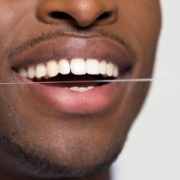
Flossing is a form of interdental cleaning in which the debris in the area between two teeth is removed using a dental cord also known as dental floss.  It is a habit that should be taken up as part of one’s oral care routine because of its importance. Toothbrushes are effective when cleaning tooth surfaces but due to their nature, they cannot effectively clean the area between teeth as this is usually small. Dental floss is small and flexible enough to remove interdental plaque without causing undue damage to the teeth or to the gum.

There are various types of floss on the market, for example, the string floss which has a long cord, or the floss picks that have a handle. The choice comes down to personal preference and ease. If you have braces or bridgework in your mouth you may need to use some special types of floss which are dental tape and super floss respectively. It is recommended that you floss your teeth before brushing them so that all the debris can be eliminated from your mouth after you finish brushing.

How do you floss?

 The string floss is the more commonly used and so it will be our case study.

  1. Break off a piece of floss, about 20 inches long. Wind it around your middle fingers such that there is about 1 to 2 inches free.
  2. Hold the string tight with your thumb and forefingers.
  3. Place the floss between two teeth, gently gliding down the side of one and then switching to the side of the proximal tooth. Gently slide the floss up and down so you don’t bruise your gum.
  4. Gently remove the floss by pulling it out and then reorient it to clean the next tooth using a fresh segment.
  5. Rinse your mouth after and then brush your teeth.

Flossing takes a short period of time once it has been mastered and is invaluable in preventing interdental/proximal caries.

March 1, 2022/0 Comments/by Lincoln Tentena
https://ezzadentalcare.com/wp-content/uploads/2022/03/3-Benefits-of-Flossing-800x500-1.jpeg 500 800 Lincoln Tentena https://ezzadentalcare.com/wp-content/uploads/2023/02/ezza-dental-logo.png Lincoln Tentena2022-03-01 20:15:322022-03-01 20:16:11Flossing: Why you should do it and How you should do it
dental fillings

Are amalgam dental fillings safe?

Wellness monday

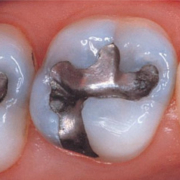
You may have been to the dentist before and told them that you don’t want the black filling. This might have been due to a number of reasons that you honestly believed in, for example, the filling contains mercury which accumulates in the blood, the filling has an effect on your health, and so on.

These validate why you may request a different dental filling. However, there are even more reasons why your dentist may choose to use the black filling or as it is scientifically known, amalgam. Amalgam is an alloy of majorly silver and mercury and has many properties that make it a perfect material for filling a tooth cavity. These include;

  • strength
  • inertness
  • wear resistance
  • longevity.

These influence the common decision to use it to fill the back teeth which need more strength and do not require as much attention to aesthetics.

Before a material is approved for use by the different monitoring bodies, its safety has to be proven and so amalgam is safe. The mercury released from the fillings is less than that taken up from the environment and both these are minuscule and the effects are negligible if the amounts remain constant. This makes it a safe material in addition to the other qualities mentioned above. There are protocols for handling dental amalgam which ar followed by dentists to even further minimize the exposure to mercury when they are placing an amalgam filling or even when they are disposing of the waste.

The next time you visit a dentist and they recommend that the tooth is filled with amalgam, do not be anxious because dentists like all other healthcare providers have your best interests at heart.

January 18, 2022/0 Comments/by Lincoln Tentena
https://ezzadentalcare.com/wp-content/uploads/2022/01/3-s2.0-B9780128137420000134-f13-02-9780128137420.jpg 238 489 Lincoln Tentena https://ezzadentalcare.com/wp-content/uploads/2023/02/ezza-dental-logo.png Lincoln Tentena2022-01-18 18:21:342022-01-18 18:21:39Are amalgam dental fillings safe?
toothbrushes

How to Choose the Right Toothbrush

Wellness monday

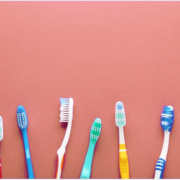
A toothbrush is one of the staple household objects that everyone uses. With the multiple choices in the supermarkets, one might wonder if there is such a thing as a bad toothbrush and if so then what is a good toothbrush? There are a number of factors to take into consideration when choosing the right toothbrush and these include:

  • Hardness of bristles; for the average person, their toothbrush should have bristles that are neither too hard nor too soft. If they are too hard, they will destroy the tooth structure and if they are too soft, they will not effectively remove the plaque.
  • Shape of the bristles; on the market, the two common shapes are the rounded bristles and the square bristles. The rounded ones are the better option because of how gentle they are on the rest of the tissues which minimizes trauma to them.
  • Size of the toothbrush head: this is dependent on the size of one’s mouth which often correlates with their chronological age. For those with small mouths or children, the toothbrushes with smaller heads are more effective as they induce minimal trauma and are easier to control. The head shouldn’t be too big or too small.
  • The size and shape of the handle; toothbrush handle designs have evolved over time and this has resulted in a wide range of options. Your toothbrush handle should be easy to grip and comfortable to ensure that the brushing process is as smooth as possible.
  • Approval by a quality control body e.g. UNBS; is important as these bodies ensure that you get quality that is as good as advertised. Always check for the official seal and preferably, choose toothbrushes that have it on.
  • Manual or electric toothbrushes; the end goal of both these types is the same and that is good oral hygiene. Both can give stellar results if used correctly and both can be disastrous if used inappropriately. The choice between these often comes down to personal preference, however, there can be instances for example in individuals with poor manual dexterity where the electric toothbrush would be the preferred option.

In some cases, the dentist will recommend a specific type of toothbrush to fit the individual contextual needs and this is when they may also recommend a particular brand. Do not forget to change your toothbrush once every 3 months, not too often and not too far apart.

January 4, 2022/0 Comments/by Lincoln Tentena
https://ezzadentalcare.com/wp-content/uploads/2022/01/image.jpg 448 673 Lincoln Tentena https://ezzadentalcare.com/wp-content/uploads/2023/02/ezza-dental-logo.png Lincoln Tentena2022-01-04 20:40:072026-06-11 09:56:56How to Choose the Right Toothbrush
teeth happy holidays

Happy Holidays!

Uncategorized, Wellness monday

Remember

The festive season is upon us and felicitations to us all. As we celebrate this joyous season and allow ourselves to indulge, it is important that we do not forget to take care of our mouths and teeth. Below are some reminders that you will benefit from if practiced and prevent suffering painful consequences as a result of enjoying yourself a little too much.

  • Do not forget to brush your teeth twice a day. After your last meal at night and at one other time during the day.
  • Use the extra time available to show the young ones how to brush their teeth and use this as a bonding activity.
  • If possible, floss your teeth. This will ensure that no food particles get stuck between your teeth.
  • Eat sweets and cakes in moderation and always rinse your mouth after so that tooth decay is prevented or slowed down.
  • Incorporate more fruits and vegetables into the meals as these contain nutrients that are important for strong teeth.
  • As you make your yearly plan, set up your routine dentist appointments for checkups and professional cleaning.

Happy holidays from Ezza Dental Care and a prosperous new year.

December 23, 2021/0 Comments/by Ezza Dental Care
https://ezzadentalcare.com/wp-content/uploads/2021/12/Red_Christmas_Background_with_Christmas_Balls.png 1351 2000 Ezza Dental Care https://ezzadentalcare.com/wp-content/uploads/2023/02/ezza-dental-logo.png Ezza Dental Care2021-12-23 09:07:032022-01-12 09:26:25Happy Holidays!
dental caries

Rampant Caries: Causes, Risk Factors, and Management

Wellness monday

Caries as a disease is one of the most commonly occurring diseases in the world. Most times, it affects few teeth at a time in one’s mouth and since multiple factors influence it, it can be salient in its progression. There are cases, however, where it rapidly progresses and affects more than ten teeth in the mouth at a go. When this occurs, its nomenclature changes to “rampant caries.”

What causes caries?

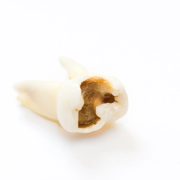
Caries occur when bacteria that are in the mouth break down residual food in the mouth to form acid and this acid, in turn, dissolves the tooth structure. The teeth are one of the hardest tissues in the body and destroying them is no easy feat, therefore the disease progression is slow.

Risk factors for rampant caries

Caries are also influenced by risk factors that can hasten their occurrence. These include;

  • Diet; bacteria break down sucrose more than any other sugar. Sucrose is mostly found in processed foods in large amounts for example cakes, sweets, chocolates, soda and so on. This is why it is important to watch your diet to reduce your caries risk.
  • Hygiene; brushing our teeth removes the residual food from them leaving behind little or no substrates that can be broken down by the bacteria. This thus reduces our risk of getting dental caries.
  • Saliva; saliva plays many roles in our bodies and one of them is providing a washing mechanism for our teeth and also remineralization. If your saliva production is compromised for one reason or another, the chances of you getting caries increases.
  • There are many other factors like age, genetic predisposition, geographic location, socioeconomic status that increase the risk of one getting caries. This is why some people may get caries often in spite of adhering to oral hygiene and diet more than others.

Rampant caries are more common in children. This is because milk teeth are weaker than permanent teeth and also children feed more on cariogenic foods compared to older people but brush their teeth less efficiently. Bottle feeding also increases the exposure to cariogenic agents.

Management of rampant caries

When a disease is rampant, its management must be prompt and aggressive. Go for your dental checkups, take your children for their dental checkups as recommended by the dentists. This will have each case managed as it shows up and will stay the excessive discomfort and pain that comes with decayed teeth. It is also important that children are taught brushing right from when the first teeth appear in the mouth and this should be supervised so that it is done well.

August 27, 2021/0 Comments/by Lincoln Tentena
https://ezzadentalcare.com/wp-content/uploads/2021/08/caries.jpeg 244 450 Lincoln Tentena https://ezzadentalcare.com/wp-content/uploads/2023/02/ezza-dental-logo.png Lincoln Tentena2021-08-27 13:42:422022-01-12 09:26:26Rampant Caries: Causes, Risk Factors, and Management
Page 1 of 3123

Pages

  • 404
  • About Us
  • book appointment
  • Booking Form
  • Booking Received
  • Contact Form
  • Contact Us
  • Dental Braces
  • Dental bridges
  • Dental Crowns
  • Dental Services
  • Filling Or Cementing
  • Full Day Booking
  • Home
  • New and Events
  • Root canal therapy
  • Scaling & Polishing
  • services
  • Smile Galleries
  • Teeth Whitening
  • terms and conditions
  • Time Appointments Booking
  • Time Slots Booking
  • Tooth Dentures
  • Tooth Extraction
  • welcome

Categories

  • ! Без рубрики
  • Post
  • public
  • Uncategorized
  • Wellness monday

Archive

  • July 2026
  • June 2026
  • May 2026
  • July 2025
  • June 2025
  • July 2023
  • February 2023
  • January 2023
  • September 2022
  • April 2022
  • March 2022
  • February 2022
  • January 2022
  • December 2021
  • August 2021
  • July 2021
  • May 2021
  • April 2021
  • March 2021
  • November 2020
  • September 2020
  • August 2020
  • July 2020

Let us brighten your smile!

We have implemented a number of safety protocals and measures
to ensure the safety of bath our patients and our team doctor of
dentist also very beautifully doctor for dental
problems

Make Appointment Visit Us

About Ezza Dental Care

Ezza dental care is dedicated to guide you through a customised dental care investment that improves your life and the that of your loved ones.

Our Services

Tooth Extraction

Filling and Cementing

Scaling and Polishing

Root Canal Therapy

Dental Braces

Offers and Updates

Contact

Makindye Towards Busabala Road
Seruwale Complex 1st Floor

info@ezzadentalcare.com

Copyright © 2026 | Ezza Dental Care

Scroll to top