EZZA DENTAL CARE
  • Welcome
  • Dental Services
    • Dental Braces
    • Dental bridges
    • Dental Crowns
    • Filling Or Cementing
    • Root canal therapy
    • Scaling & Polishing
    • Tooth Dentures
    • Teeth Whitening
    • Tooth Extraction
  • Smile Galleries
  • Blog
  • Contact Us
  • Book Appointment
  • Search
  • Menu Menu

Tag Archive for: dentist in kampala

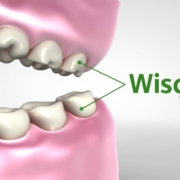
Wisdom teeth

Wisdom teeth: What They Are, Possible Complications and Their Treatment

Wellness monday

What are wisdom teeth?

With age, comes wisdom and wisdom teeth. Wisdom teeth are the last teeth to erupt into the mouth and usually show up between 17 to 21 years of age. They are also called the third molars: molars are the wide set of teeth that is used to grind food. These teeth are also the most problematic set of teeth and account for a fair number of reasons why people go to see the dentist. Humans usually have wisdom teeth, two in the upper jaw and two in the lower jaw. This number may vary since some teeth never erupt and become what is called impacted third molars.

Symptoms of wisdom teeth development

When wisdom teeth are developing, one may undergo a series of uncomfortable episodes characterized by discomfort around the area of the growing tooth, sometimes this may be coupled with fever, headache and a feeling of unwellness also known as malaise. The gum around the tooth may become inflamed causing a condition called Pericoronitis. Unless symptoms become very severe, this can be managed at home using a saline rinse and over the counter analgesics.

Wisdom teeth if well erupted are non-problematic and can be left alone, treated as the other teeth and cared for as such. However, if they did not erupt right into the mouth, causing them to face the neighboring tooth or in case they do not erupt at all but have chances of affecting the neighboring teeth, then your dentist may elect to remove them. Non erupted teeth are called impacted teeth and the partially erupted teeth are known as partially impacted teeth.

The diagnosis for impacted teeth is made on a radiograph. These impacted teeth can be dangerous to the health of the neighboring teeth. This is because they may cause resorption of the roots of the neighboring teeth which makes them unstable. They can also induce formation of cysts which cause further bone resorption. Partially impacted teeth are difficult to clean and so food debris can accumulate there and this can result in caries on the immediate neighboring tooth. Third molars in case the jaw is small can also cause crowding of the teeth; this may necessitate their removal before carrying out orthodontic procedures.

The treatment for impacted third molars is called disimpaction and some cases can be taken care of by the general dentist while others may require referral to an oral surgeon. The procedure is relatively safe and can take between 30 minutes to an hour or more in case the tooth is difficult to extract for one reason or another. When a wisdom tooth on one side is removed, it is usually a good idea to also have its opposing partner removed. This will prevent the opposing partner from moving to a different direction which may result in further problems. The wisdom teeth are also extracted in case they have cavities because the prognosis of them getting better is very low.

Are you experiencing pain as a result of wisdom teeth? Speak to our dentist today for a free checkup and to learn about the available treatment options


April 26, 2021/0 Comments/by Lincoln Tentena
https://ezzadentalcare.com/wp-content/uploads/2021/04/wis.jpg 720 1280 Lincoln Tentena https://ezzadentalcare.com/wp-content/uploads/2023/02/ezza-dental-logo.png Lincoln Tentena2021-04-26 11:59:382022-01-12 09:26:26Wisdom teeth: What They Are, Possible Complications and Their Treatment
over the counter pain killers - home remedies

8 Home Remedies for toothaches – as you wait to see a dentist

Wellness monday

Toothaches have a nasty habit of attacking at ungodly hours. Hours when during COVID-19 times curfew has already begun or before COVID-19, hours when the dentists are unlikely to be available. In this blog, we are going to look at a few remedies for toothache pain that you can either access in your home or stock up just in case you need them in the future. It is important to note however that these should only be used short-term and not an s a replacement for a dentist.

1. Over-the-Counter Pain Killers

These include Panadol, ibuprofen, aspirin and many others. They can be accessed in most pharmacies without a prior doctor’s prescription. Care must be taken however to only take the dose recommended by the pharmacist. They do not take the cause of the pain away, they just stop you from feeling pain and so you should see a dentist immediately you are able to see one.

EZZA DENTAL CARE

2. Ice Packs

In case you have a toothache and your face has also swollen, a reliable short term solution is to place an icepack on the swollen side. This will reduce the swelling and since ice is believed to reduce pain, it will also help with the pain. Apply this pack at least three times a day.

EZZA DENTAL CARE

3. Clove Oil

Clove oil has a component called Eugenol which is a natural antiseptic and also has analgesic properties. These properties are why even your dentist uses it as part of his treatment. Place a small amount of oil on a cotton swab and apply it to the affected area and repeat a few times a day until you can see a dentist.

EZZA DENTAL CARE

4. Vanilla Extract

This is a common ingredient in baking but is also a handy remedy for tooth pain. It contains alcohol which numbs pain and also acts as an antiseptic. Apply a small amount to the affected area using a cotton ball or your finger.

EZZA DENTAL CARE

5. Peppermint Teabags

Peppermint tea in addition to tasting great also has a variety of other uses. It can be used to soothe both toothaches and hurting gums. This is of course not while it is hot but rather when it is still in the teabag.  You can place a used teabag in the cooler for a few minutes before applying it to the affected area for another few minutes. Using a slightly warm teabag is also permissible.

EZZA DENTAL CARE

6. Over-the-Counter Anesthetics

There are many over the counter anesthetics that can be used to soothe the pain in the teeth. These contain an agent called bupivacaine which is an anesthetic and that means that it kills sensation in an area. Apply these as directed by the pharmacist as there are different formulations available for example gels.

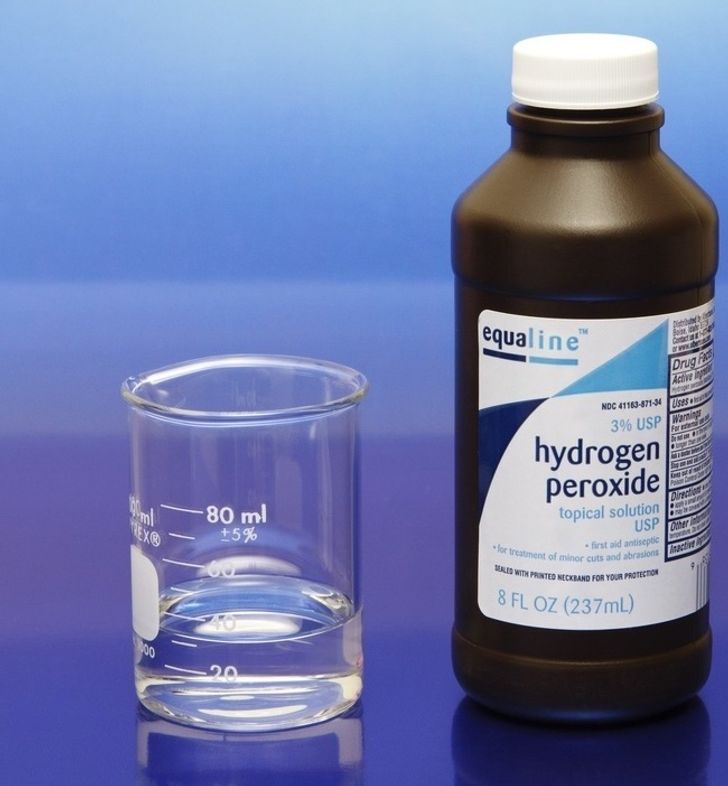
7. Hydrogen Peroxide Rinse

Just a heads up, this must be very carefully handled lest its risks outweigh the benefits. Mix 3% hydrogen peroxide in an equal amount of water and rinse your mouth, taking care not to swallow. It is great with pain and with inflammation.

EZZA DENTAL CARE

8. Saline Rinse

This is a rinse of your mouth using warm salty water. It is a great remedy as in addition to reducing pain, it also removes any debris that may be contributing to the pain and also helps heal any wounds that maybe present in the mouth. It also helps with inflamed gums.

EZZA DENTAL CARE

After using any of the above, ensure you visit the dentist for proper treatment of the dental problem. You can book an appointment with our dentist for a free consultation and checkup.

April 14, 2021/0 Comments/by Lincoln Tentena
https://ezzadentalcare.com/wp-content/uploads/2021/04/https___specials-images.forbesimg.com_imageserve_1153010975_0x0.jpg 800 1200 Lincoln Tentena https://ezzadentalcare.com/wp-content/uploads/2023/02/ezza-dental-logo.png Lincoln Tentena2021-04-14 15:00:102022-01-12 09:26:268 Home Remedies for toothaches – as you wait to see a dentist
teeth sensitivity

Teeth sensitivity: Causes and Treatment

Wellness monday

It has been very hot lately and with that comes a throat parching thirst that can only be quenched by a drink of ice cold water. Imagine on reaching the glass to your lips, relief is robbed from you and instead you feel a sharp pain in your teeth that can either cause you to hurriedly swallow or to spit it all out. Sometimes, you dance on the spot, to the beat of pain while you gargle the water in attempts to reduce the pain. This is likely to be due to teeth sensitivity, especially if it is happening for the first time.

What is teeth sensitivity?

Teeth sensitivity is a condition characterized by a sharp pain on exposure to some stimuli which can be heat or cold or even osmotic for example sweet or salty food, which pain dissipates immediately the stimulus is removed.

What causes teeth sensitivity?

It occurs as a result of loss of tooth structure either due to caries, a crack in the tooth, a restoration that is failing or the non-pathological causes of tooth substance loss. When this happens, there is exposure of dentinal tubules to the oral environment. These dentinal tubules contain a fluid and odontoblast processes which play a role in transmission of stimuli. This stimuli is read as pain by the brain and thus the sharp pain felt on exposure.

The mechanism of how this pain comes about has been a subject of contention for many years but the most widely accepted theory is the hydrodynamic theory. In this theory, it is suggested that the stimuli cause changes in the dentinal tubule fluid which then impinges on the neural structures in the tubule which information is transduced and read as pain by the brain.

How is teeth sensitivity treated?

Treatment for teeth sensitivity unless otherwise is not invasive. It usually involves a few behavioral modifications for example a proper tooth brushing technique, using proper toothpaste and reducing the consumption of cariogenic foods. Prescription toothpaste may also be recommended by the dentist. This toothpaste contains higher amounts of fluoride than the usual toothpaste which makes remineralization of your teeth faster, closing the dentinal tubules and thus reducing the sensitivity. In case it is due to a failed restoration, the restoration may be removed and repaired and in case it is due to gum disease, this may necessitate treatment by a periodontist.

Teeth sensitivity should never be ignored because it signifies presence of an active disease process which can progress to cavities and even result in tooth loss. It should be treated with sufficient attention so that the process can be reversed.

Are you experiencing teeth sensitivity, make an appointment with our dentist today for a free checkup and consultation.

March 24, 2021/0 Comments/by Ezza Dental Care
https://ezzadentalcare.com/wp-content/uploads/2021/03/732x549_10_Home_and_Natural_Remedies_for_Toothache_Pain-732x549-1.jpg 549 732 Ezza Dental Care https://ezzadentalcare.com/wp-content/uploads/2023/02/ezza-dental-logo.png Ezza Dental Care2021-03-24 12:45:032022-01-12 09:26:26Teeth sensitivity: Causes and Treatment
dentures

How to care for your dentures

Uncategorized, Wellness monday

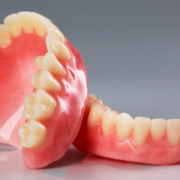
In many movies which have old characters in them, there are usually scenes where a said old person places their dentures in a glass by the side of their bed before they sleep. If you are as curious as I am, you probably wonder why they do that. If you are not curious but you recently got dentures, you will also want to know why they do this. In this blog, we are going to look at how to take care of false teeth so that they maintain both form and function for the longest time possible.

1. Avoid eating hard foods

Dentures are used for many things just like teeth are used for many things. One of the primary roles however is eating. It is important that you remain mindful of the fact that dentures though a good substitute are not as hard as the normal teeth. Henceforth, one must not subject them to very hard foods otherwise the stress may deform them or even cause them to fracture. Eat relatively soft foods and soften the tougher foods so that they are easy to chew using your dentures.

2. Always rinse your mouth after eating

After eating, rinse your dentures using running water to remove any food particles and debris that may have stuck after eating. This will prevent debris from accumulating and subsequently decomposing which could come with an unpleasant taste for you and an unpleasant breath for whoever is in close proximity to you. When washing the dentures, do not use abrasive materials or detergents and handle them gently so that they do not get deformed.

3. Brush your dentures at least once a day

Dentures should be brushed at least once a day. Use a soft bristle toothbrush and denture cleanser. Do not use toothpaste as this contains abrasives that may damage your dentures in the long run. Rinse them with clean running water (avoid hot water). In case you use denture adhesives, ensure that you clean the grooves to ensure that you remove the entire residual adhesive.

4. Do not leave dentures in the open

Do not leave your dentures out in the open air overnight. Doing this will make them shrink or expand depending on the prevailing conditions in the room. Soak them in the appropriate solution mixed according to the manufacturer’s recommendations. Before wearing them, make sure you rinse them using clean running water. Denture soaking solution should not be used intra orally.

5. Have review visits with your dentist

Your dentist will schedule review visits for you to check on how your dentures are working for you and to also professionally clean them whenever possible. During these visits, let him know if the dentures are loose or fit too tightly so that adjustments can be made accordingly. In case you have some remaining teeth, do not neglect them: clean them too using toothpaste and a toothbrush.

Are you having any missing teeth? Schedule an appointment with our dentist to get yourself dentures or dental crowns and bridges.

March 17, 2021/0 Comments/by Ezza Dental Care
https://ezzadentalcare.com/wp-content/uploads/2021/03/vancouver-dentures.jpg 700 1500 Ezza Dental Care https://ezzadentalcare.com/wp-content/uploads/2023/02/ezza-dental-logo.png Ezza Dental Care2021-03-17 10:19:552022-01-12 09:26:26How to care for your dentures
EZZA DENTAL CARE

Louis Mugenyi: My experience with Ezza Dental Care

Uncategorized, Wellness monday

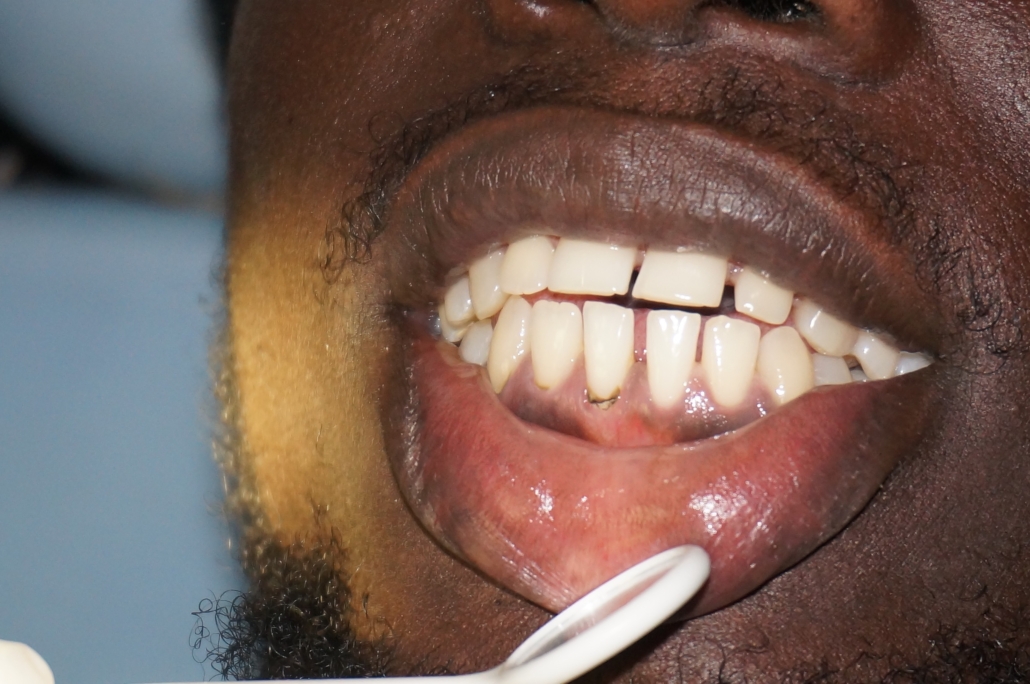
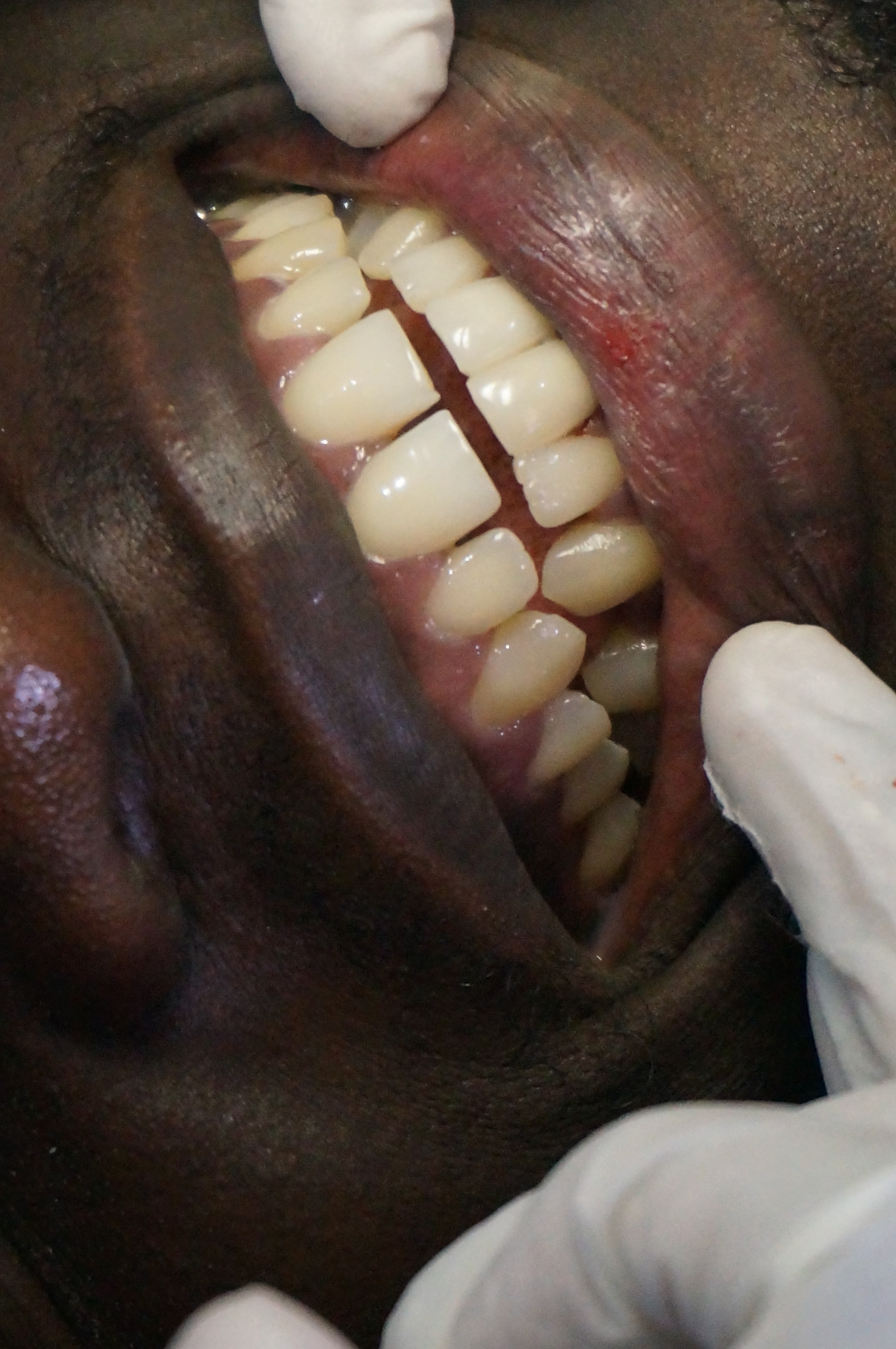
When I was young, I was always forced to brush my teeth, and if there was no pushing force, I always forewent brushing.  It was never a priority to me.  However, as I grew up, I realized that my teeth were dirty and this really disturbed me a lot. Worst of all, they were not only dirty but also, the lower teeth had big gaps. This limited my smile and bothered me emotionally. I spent quite a long time looking for a perfect dental clinic to consult and then in the future work on my problem. This is when I discovered Ezza Dental Care. I think they were God sent because, I had never heard of them nor had a clue about them but guess how I found them?

EZZA DENTAL CARE
Before treatment
EZZA DENTAL CARE
After treatment

I won’t let you over think; this is how it all happened so fast.

Around July 12th 2020, as I was searching for dental clinics in Uganda via Facebook, I came across several of them and among them was Ezza Dental Care. The first thing that caught my eye was their work, the kind of treatments they did and later posted them on their Facebook page. It looked amazing and attractive and I for sure felt I needed a service from them real soon. I got in touch with them via messenger, inquired and they replied to me in time. Ezza Dental Care asked me to share a picture of my smile and from there, they would tell me what problem I had and what I needed to do. I did that immediately and was given various options among which I chose crowns. However I didn’t have money at the time for the crowns and so I requested them to give me some time as I looked for the money.

It was around that time that Ezza Dental Care put up a Top Fan of the Month challenge where the prize was Ugshs 550,000 worth of dental treatment. For me who wished to have a service from them real soon, I  entered the challenge and waited for luck to knock me. Participating in the challenge was not hard as my only task was to like each and every post on their pages on Facebook, Instagram and Twitter, comment on each and every post on their pages, and share their posts with my friends. Sharing their posts was really easy because I found the content on their pages really educative and helping. I have done these from the time I came across their page to date despite having already got my treatment. I continue to share their posts because I would like to share with other people where the real dental solutions are.

Having done the liking, commenting and sharing challenge, on July 29th 2020 I was contacted by Ezza Dental Clinic and was surprised with the news that I had emerged the top fan of the Month (July). I almost collapsed for I could not believe I was to get  free dental treatment  worth 550k  which was enough for  the  problem I had. I was given an appointment for Wednesday 5th August 2020 to go and do my treatment or to send a friend or relative to receive dental treatment in the offer I had won. Their Communications personnel Mr. Ian gave me a follow up call to make sure I didn’t forget the appointment.

When the day finally came, I made my way to Sseruwale Shopping Center in Makindye along Namasole road where I found their clinic. Upon arrival I was warmly received by the dentist – Dr. Joan, Ian and Peace – the assistant to the dentist. Dr. Joan took me through some of the causes of dental problems, and their possible treatments. She then proceeded to examine my teeth and luckily she found me with no sick teeth though with gaps and dirt in my teeth. She went on to paralyze my mouth so as not to feel pain during the treatment. Measurements of my lower teeth were taken and sent to the lab for crown making. While the crowns were being made, Dr. Joan polished my teeth, removed and all the dirt and they became once again clean and shiny.

EZZA DENTAL CARE
Dr. Joan explaining to me some of the causes of dental problems and their treatment

After the polishing, I waited for a few minutes for my crowns. To my delight the crowns had been perfectly measured and they matched my teeth 100%. They were professionally fixed and woow, upon looking at my smile in the mirror, I was totally a different person. I looked clean and felt like I had the best smile in the world.

I left Ezza Dental Care feeling like an ‘expert touch’ was not just a slogan, but rather what they actually do. THANK YOU EZZA FOR RESTORING MY BEAUTIFUL SMILE. And to everyone reading this; Do not take any dental problem lightly, visit Ezza Dental Care for a free consultation and checkup, and get treated. For a perfect smile means the world to everyone.

All Thanks to Ezza Dental care staff May God bless you all.

By Louis Mugenyi

March 1, 2021/0 Comments/by Ezza Dental Care
https://ezzadentalcare.com/wp-content/uploads/2021/03/DSC07955-1-scaled.jpg 1701 2560 Ezza Dental Care https://ezzadentalcare.com/wp-content/uploads/2023/02/ezza-dental-logo.png Ezza Dental Care2021-03-01 13:51:202022-01-12 09:26:26Louis Mugenyi: My experience with Ezza Dental Care
EZZA DENTAL CARE

Teeth brushing: Techniques and recommended practices for proper teeth brushing

Wellness monday

Our lives are made up of a series of habits. We wake up, we shower, we brush our teeth and go about our day, settling into routines that are tailor made for our unique contexts and circumstances and the, we retire to our beds at night. Some people shower, others do not. Some people brush their teeth before they enter their beds, most do not. Today we are going to focus on one of our habits which if done right can drastically improve the quality of our lives. The habit is teeth brushing.

What is teeth brushing and why is it important

Teeth brushing is the process by which one cleans their teeth to remove any food debris and to also dislodge the plaque and eliminate it from the mouth. It is important that one brushes their teeth because if they do not; they can get cavities due to caries, they can get gingival diseases whose presence is indicated by the ever scary bleeding gums and they can also turn heads when they talk because their breath stinks either like their last meal or the fermented version of it.

Materials to use for brushing teeth

When brushing our teeth, we use some appliances and materials which must be in proper conditions if our efforts are to be rewarded with a healthy mouth. We use toothbrushes, toothpaste, interdental cleaning appliances like floss and interdental brushes and mouth rinse. There are options of using a manual toothbrush or an automated tooth brush with the automated brush having an edge over the manual ones in terms of efficiency. The tooth brush must have bristles that are firm: neither too soft nor too hard. It must be replaced every three months or earlier in case the bristles are permanently bent. An overused toothbrush cannot effectively clean the teeth.

What to consider while choosing toothpaste to use

When choosing toothpaste, it is useful that one pays attention to the contents in each of the many varieties on the shelves. The toothpaste one uses should contain fluoride, which plays a role in preventing development of caries in the teeth. There are toothpastes with high concentrations of fluoride and these must only be used in case they are prescribed by the dentist. Toothpastes with a high content of abrasives are dangerous because they can result in loss of the tooth substance especially when coupled with rough tooth brushing. Henceforth, whitening toothpastes should not be used for prolonged periods of time.

Techniques for brushing teeth

There are many techniques for brushing our teeth, techniques which have been researched and tried and found to be effective.

1. Bass or Sulcular technique

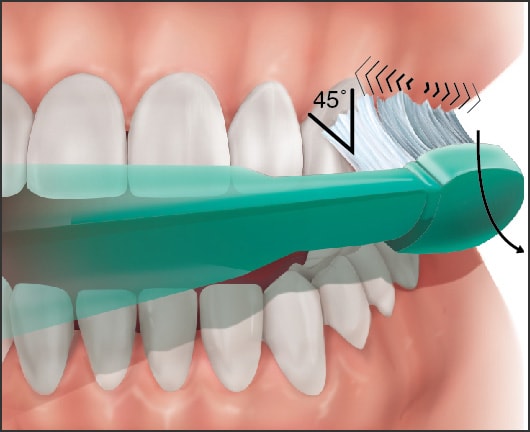
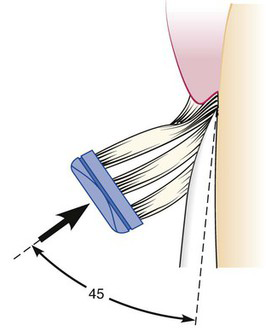
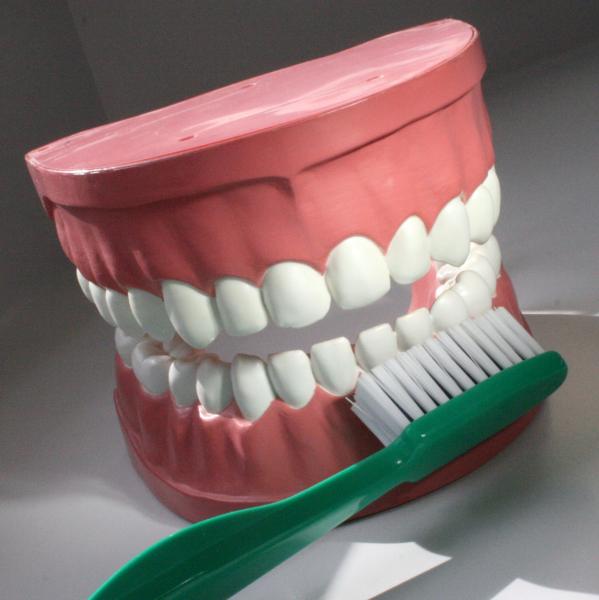
This is especially useful in removing plaque adjacent to and beneath the gingival margin. The bristles are placed at 45 degrees to the long axis of the tooth towards the gingival margin. The bristles are pushed in the interdental spaces and then the brush is moved either in an anterior posterior motion or in a rotary motion.

Image showing bass technique of teeth brushing

2. Stillman technique

The Stillman technique involves brushing using short horizontal strokes on all the tooth surfaces.

Image showing stillman technique of brushing teeth

3. Charter technique

This is likely to be recommended in case there are dental appliances in your mouth. It is the opposite of the Bass technique.

Image showing charter technique of brushing teeth

Recommended practices for effective teeth brushing

  1. All the surfaces in the mouth must be given their due attention when brushing. Start with the outside parts of the teeth, then clean the biting surfaces and then clean the inner surfaces. Gently but firmly brush the palate and the tongue. Take care not to swallow the toothpaste.
  2. The recommendation after teeth brushing is to spit and not rinse. However, if this is uncomfortable for you, then you can rinse your toothbrush and use it to remove the extra toothpaste in your mouth. The importance of not spitting stems from the protective nature of the toothpaste against caries. This is lost if the mouth is rinsed with large volumes of water.
  3. Brushing should take a minimum of two minutes. This maybe tedious to count down but you can sing a song to help pass the time, or you could set a timer. Speaking of minimums, the minimum number of times you should brush your teeth is twice, one being right before you go to bed. If you must brush once, then it is better that you brush your teeth at night. This is important because there is decreased salivary secretion at night and hence bacterial activity is at an all-time high.
  4. Do not brush your teeth with too much force lest the enamel thins and they become sensitive and neither brush immediately after taking fruit juices. Children under seven should be supervised while brushing their teeth and they should use the special children’s toothpaste and tooth brushes. Only a pea sized dollop of toothpaste should be placed on the brush and care must be taken to ensure that they do not swallow the toothpaste. Brushing the teeth of infants should begin immediately they appear because milk teeth are not very strong and hence easily decay. The habit of brushing is also easily ingrained if it is started early.
  5. To clean the interdental spaces which may not be achieved using a toothbrush, one can use floss. Floss is like a string and is wound around the middle fingers and supported by the index fingers. It is then passed between the teeth in an up and down motion. It should be done gently to avoid causing trauma to the gums.
  6. Mouth rinses are also available and can be used twice a day, rinsing for at least sixty seconds. These are useful for both protection against decay and also for maintaining a fresh breath. They can be used in the times of the day when one cannot brush their teeth.

Happy brushing!

December 2, 2020/0 Comments/by Ezza Dental Care
https://ezzadentalcare.com/wp-content/uploads/2020/12/bass.jpg 432 530 Ezza Dental Care https://ezzadentalcare.com/wp-content/uploads/2023/02/ezza-dental-logo.png Ezza Dental Care2020-12-02 04:06:192022-01-12 09:26:27Teeth brushing: Techniques and recommended practices for proper teeth brushing
mouth cancer

Mouth Cancer: What you need to know

Wellness monday

In the UK, this is a season of transition. The leaves fall from the trees in all shades, bringing color to sidewalks and parks and adding a euphoria to endings. In November, the UK also commemorates Mouth Cancer Awareness month and in solidarity, we are joining in to bring awareness to this malady that is often overlooked and yet it takes people in droves to painful miserable deaths. This month, we remember those who fought and lost and we celebrate those who fought and won and those who are fighting even now. And also, we bring it to the attention of those who are not aware of the existence of search a grueling battle against such a relentless foe; mouth cancer.

What is mouth cancer?

Mouth cancer is just like any other type of cancer, even occurring the same way except that it occurs in the mouth and the surrounding structures. It starts out as a failure of cells to regulate their proliferation when the innate genetic structure has oncogenes incorporated in them. This causes tissue destruction which can manifest as sores and can also result in swelling of the tissue which results in the tumor like growth of the tissues.

Forms of mouth cancer

Mouth cancer can develop on the lips, on the lining of the mouth (oral mucosa), the tongue, the salivary glands, the oropharynx and even the tonsillar tissues. The kinds of mouth cancer are named basing on the type of tissues that are affected. These are;

  • Squamous cell carcinoma; this develops from squamous cells which are cells found in the lining of the mouth.
  • Adenocarcinoma; this develops from glandular tissue.
  • Lymphoma: this develops from lymphoid tissues e.g. the tonsils.
  • Sarcoma; this develops from bone and cartilage tissue cells.
  • Oral malignant melanoma: this develops in the cells that produce melanin, the melanocytes.

The tongue is the most commonly affected part, followed by the palate, buccal mucosa and the floor of the mouth. The percentages of the prevalence are 34.6%, 13.5%, 13.3%, 12.2%.

Causes of mouth cancer

The etiology of mouth cancer is such that even if you brushed your teeth diligently, you cannot safeguard yourself totally from it. There are other factors which play roles, ranging from subtle to magnanimous levels in their influence. These are;

  • Alcohol; alcohol plays a role in the development of mouth cancer as a result of the carcinogens that it holds. Excessive consumption of alcohol is actually one of the top causes of mouth cancer.
  • Tobacco: tobacco, whether smoked or chewed still has the same disastrous effects on one’s health, often culminating in lung or mouth cancer. It contains numerous carcinogens and all these play a role in fueling the development of mouth cancer.
  • HPV-16; the human papilloma virus is a sexually transmitted disease that has spread rapidly with the increasingly promiscuous culture of contemporary society. Type 16 of the virus can trigger oncogenesis especially in the immunocompromised people for example those living with AIDS, those on immunosuppressing drugs and so on.
  • Sun exposure: this especially holds true for the lower lip, where it is exposed to the ultraviolet radiation from the sun which is a potent carcinogen.
  • Family history; if one has a history of mouth cancer in their family, there are changes that they will get and henceforth they ought to be vigilant.

Symptoms of mouth cancer

The symptoms of mouth cancer are many and very variable and this means that not everyone will get the same presentation in case they get mouth cancer. These are symptoms everyone should pay attention to and seek an explanation for as early as possible so as to start treatment early which improves the prognosis for mouth cancer.

  1. White or red patches present in the mouth for longer than two weeks
  2. A painful sore that lasts longer than two weeks
  3. A sore throat coupled with a chocking sensation
  4. Unexplainable swellings in the mouth
  5. Ear pain
  6. Numbness
  7. Tooth loss
  8. Mobile teeth in the sockets
  9. Swelling of the jaws

The above are some of the things that may not be a confirmation for, but are signs of mouth cancer.

Diagnosis of mouth cancer

Mouth cancer can only be confirmed after diagnosis and this is done by taking a biopsy and studying its pathology after which presence or absence of cancer cells will be determined. Mouth cancer screening is usually offered at dental care facilities and considering the fact that it is not debilitating, it should be routinely considered especially in the high risk people.

Treatment for mouth cancer

Treatment for mouth cancer can involve surgery, where the cancerous structures are cut out. It may also include radiotherapy where high intensity radiations are used to kill the cancerous cells and also chemotherapy which involves usage of drugs to kill these cells. Mouth cancer can be treated and healed, however the rate of healing is highly dependent on the stage at which cancer is diagnosed.

Go get screened today. Spread the awareness during this Mouth Cancer Awareness month.  

November 11, 2020/0 Comments/by Ezza Dental Care
https://ezzadentalcare.com/wp-content/uploads/2020/11/Remember-Remember….November-is-Mouth-Cancer-Awareness-Month.jpg 400 600 Ezza Dental Care https://ezzadentalcare.com/wp-content/uploads/2023/02/ezza-dental-logo.png Ezza Dental Care2020-11-11 17:28:512022-01-12 09:26:27Mouth Cancer: What you need to know
tooth pain while chewing

6 Likely Reasons As To Why You Feel Pain While Chewing

Uncategorized, Wellness monday

Few things are as shocking and as disturbing as the sensation when your teeth bite down on that unexpected stone in your rice meal and yet even that is not as painful, as uncomfortable as pain that comes when chewing food. It steals the joy out of eating and replaces it with sometimes very excruciating pain. Today, we are going to look at some of the reasons why this could occur.

1. Presence of a deep cavity on a tooth

When caries develop on a tooth, they cause destruction of the vital tooth structure and form cavities. These cavities deepen as the disease process goes on until they reach the pulp at which point or slightly before, they become painful. When food is placed on the tooth, pressure is mounted on the pulp chamber which causes the pain to ensue. This pain can be alleviated by either a filling or a root canal depending on the prognosis.

2. Failed restorations

There is a sub group of caries called secondary caries. These develop on a tooth which has had a restoration placed before. They may develop because the restoration is not well fitting or because the diseased tooth structure was not effectively removed before placement. The pain causation is the same as that of the deep cavities.

3. Cracked tooth syndrome

Cracked tooth syndrome (CTS) is where a tooth has incompletely cracked but no part of the tooth has yet broken off. It occurs as a result of trauma or excessive bite forces when chewing on very hard objectives for example that stone in your rice. This pain is sharp and only lasts as long as the bite. It is difficult to diagnose because the tooth may appear normal to the human eye and yet, the minuscule crack is a painful disaster waiting to happen since the tooth may eventually break.

4. Gingivitis and periodontitis

Infection or inflammation of the teeth supporting structures can cause pain on chewing. This is because the diseases process can irritate the nerves and the cytokines released can induce the sensation of pain.

5. Nasal/ sinus pressure and congestion

Sometimes, the pain experienced on chewing in the upper teeth may not be a result of a dental problem. The roots of your teeth are situated in close proximity to your nasal sinuses and henceforth, it could be because the sinuses are inflamed.

6. Dental abscess

A tooth abscess is a pocket of pus that’s caused by a bacterial infection. It can be painful and maybe associated with a visible swelling. It develops as a result of caries that have progressed to the extra dental tissues and may thus be characterized by a chronic throbbing pain.

What to do when you feel tooth pain

Tooth pain isn’t something that just goes away on its own over time. Unlike other types of body aches that improve with rest or an over-the-counter pain reliever, toothaches mean that something more serious is going on inside of your mouth and these pain symptoms shouldn’t be ignored.

If you have a single tooth or several teeth that hurt when you bite or chew, schedule a check up with Ezza Dental Care. Our dentist will help you get the answers you need to best care for your smile and keep it healthy for years to come!

October 7, 2020/0 Comments/by Ezza Dental Care
https://ezzadentalcare.com/wp-content/uploads/2020/10/tooth-pain.jpg 502 600 Ezza Dental Care https://ezzadentalcare.com/wp-content/uploads/2023/02/ezza-dental-logo.png Ezza Dental Care2020-10-07 09:25:562022-01-12 09:26:276 Likely Reasons As To Why You Feel Pain While Chewing
dental fillings

Dental Fillings: Types, Their Advantages and Disadvantages

Wellness monday

What is a dental filling?

A dental filling is a dental restorative material used to restore the function, integrity and morphology of missing tooth structure. Function, integrity and morphology are lost as a result of decay or trauma and this may also result in pain.

Dental fillings can be either direct restorative materials or indirect restorative materials and this depends on whether they can be placed directly in the prepared tooth cavity or if they are first prepared in the lab before they are placed in the cavity.

There are plenty of options when it comes to dental fillings which have been developed over time, each improvement designed to fill a deficiency. Each improvement also came along with a sacrifice for a strong quality of the older material. This leads to the various advantages and disadvantages of the various filling materials.

The decision on which material would be ideal for your unique case is made with your dentist while putting into consideration the different properties of each.

Types of Dental Fillings

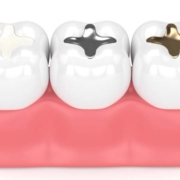
1. Amalgam dental fillings

This is an alloy containing silver, mercury in the larger proportions with other metals being present in small quantities. It has been present for over 150 years and has been designed and redesigned which qualifies its being the most widely used filling material.

Advantages

  • It is cheaper than all the other filling materials
  • It has low shrinkage and henceforth little to no leakage
  • It is very durable
  • It can withstand strong biting forces, can be placed in one visit and is resistant to further decay.

Disadvantages

  • It is not aesthetically pleasant due to its contrast with the natural tooth colour
  • It is not preservative since placing it requires destruction of healthy tooth structure, the residues if not well handled can pollute the environment. Despite the aggressive anti amalgam campaigns, there has not been any evidence supporting the theory that enough mercury leaks into the blood to cause any diseases.

2. Composite dental fillings

This is made up of an acrylic resin and powdered glass like particles. It is tooth coloured and can either harden on its own or can be cured using UV light.

Advantages

  • Aesthetically pleasing since there are many shades to match the various natural tooth colour
  • It can be placed in one visit
  • It is durable, can be used for both front and back teeth, and can withstand moderate biting forces
  • There is preservation of tooth structure, no corrosion and a low risk of breaking if it is well bonded above the enamel layer

Disadvantages

  • It is costly
  • It is not as strong as amalgam
  • It is more difficult to place
  • It may leak with time if bonded below the dentin surface.

3. Glass ionomer

This is made up of acrylic acid and fine glass powders. It is usually used on the root surface cavities and in areas without very strong biting forces. It is also used to cement crowns.

Advantages

  • Aesthetically pleasing since it resembles tooth structure
  • It can contain fluoride which gives prophylaxis against caries
  • It preserves tooth structure during its placement, it can be completed in a single visit and allergic reactions are rare.

Disadvantages

  • Limited application because it cannot withstand strong biting forces
  • It is a bit costly
  • It may become rough with age allowing plaque to build up and consequently caries development.

4. Resin Ionomer

It is made up of a glass filler, acrylic acids and acrylic resins. It is usually used for fillings on the non-chewing substances and for fillings on decidual (milk) teeth.

Advantages

  • It is aesthetically pleasing, even more translucent than glass ionomer which brings it to resemble dentin more closely
  • It can be placed in a single visit
  • It does not require destruction of the healthy tooth structure
  • It lasts longer than glass ionomer albeit not as long as composite does and the fluoride it contains is prophylactic against caries.

Disadvantages

  • It has limited application,
  • It is moderately costly and wears fast so it would require replacement.

5. Porcelain

It is used to make indirect restorations for example crowns, veneers, inlays and on lays. It can also be used n combination with a metal to make porcelain fused to metal crown.

Advantages

  • Aesthetically pleasing, it has good resistance to further decay, resistant to surface wear.
  • Due to its precise fitting, it also does not have leakage and thus no secondary caries develop.
  • Allergic reactions to it are rare.

Disadvantages

  • It is brittle and thus can easily break
  • It is costly and needs a minimum of two visits.

6. Gold alloys

These contain gold, copper and other metals. Gold being the elite metal it is, forms a strong and efficient material for crowns, bridges, on lays and in lays.

Advantages

  • No corrosion
  • Has excellent durability
  • Resistant to bite forces,
  • Its placement preserves the healthy tooth structure and it resists leakage.

Disadvantages

  • It is costly (obviously), it is not tooth colored and so in case one does not want the attention
  • It is inconveniencing, and it needs more than a single appointment to be placed.

Are you having teeth cavities and are in need of a dental filling? Book an appointment with our dentist today and we will work out a customized affordable treatment plan for you.

September 30, 2020/0 Comments/by Ezza Dental Care
https://ezzadentalcare.com/wp-content/uploads/2020/09/dental-filling-types.jpg 450 772 Ezza Dental Care https://ezzadentalcare.com/wp-content/uploads/2023/02/ezza-dental-logo.png Ezza Dental Care2020-09-30 17:21:552022-01-12 09:28:40Dental Fillings: Types, Their Advantages and Disadvantages
Bad breath

Bad Breath (Halitosis): Causes and Treatment

Wellness monday

Recently, I saw this meme on twitter that said, “now people with bad breath can suffer the way they make others suffer”. The attached photo was of a man wearing a mask. Bad breath is unpleasant, inconveniencing, and disrespectful. Okay I am done with the seemingly deprecating words considering we are going to talk about bad breath or halitosis and why it is caused by a myriad of factors and not just neglect of brushing one’s teeth.

What is Halitosis?

Halitosis is the persistent and unpleasant odor that comes out of a person’s mouth on exhalation. Considering its many causes, it is classified to ease the taxonomy. The major groups are real halitosis and psychogenic halitosis. Real halitosis is one where the malodor can be objectively verified and measured while psychogenic halitosis is subjective to the patient and can only be detected by them.

Real halitosis is further divided into intraoral and extra oral halitosis. Our lens in this blog today will be on the intra oral one considering the dental specialty which is our niche. Another form of halitosis is transient halitosis which is temporary and is directly related to what someone has ingested. it lasts a few minutes to hours and is not pathologic.

How does intraoral halitosis come about?

The pathophysiology of intraoral halitosis; in the mouth, an infection by gram negative anaerobic bacteria may happen. They usually invade the crypts and furrows on the posterior dorsal surface of the tongue. These microorganisms degrade organic substances like food debris, epithelial cells and saliva. The products from this degradation include volatile sulfur containing compounds and these are responsible for the bad smell. The bacteria are also associated with gum disease and thus gum disease can also be a cause of halitosis.

Causes of bad breath (halitosis)

These are some of the causes of halitosis.

  • Gingivitis and periodontitis
  • Inadequate restorations which have sites which trap food.
  • Open carious lesions
  • Decreased salivary flow which prevents the washing away of debris from the teeth and the tongue.
  • Some local infections for example pericoronitis, periimplantitis and oral candidiasis.
  • Oral dentures which are not well taken care of in conjunction with poor oral hygiene.

There are cofactors whose presence facilitates the development of halitosis.  For example, stress, smoking, mouth breathing, unbalanced diet, decrease in water intake, excessive ingestion of coffee and alcohol. These in their own way each play a role in the pathophysiology and can exacerbate the development of halitosis.

When do I need to see a dentist?

Bad breath, especially if one religiously brushes their teeth and it insists on wafting from their mouth is psychologically and socially distressing. Such a person does well to see a dentist because the other efforts such as; chewing gum, candies, mouth rinse only offer a temporary masking effect.

The dentist will examine and establish a cause and thus design an effective treatment plan. When the cause is treated, the effect is more long lasting or even permanent which is desirable. Treatment is majorly on the patient’s hands. This is because they need to modify how they brush their teeth to include brushing the posterior dorsal surface of the tongue. There are special tongue brushes which effectively remove the coating that is home to the pathogenic bacteria.

A modification in diet to include more zinc and vitamins is also needed. A mouth wash which contains a flavor e.g. mint (masks the smell), a bactericidal agent e.g. chlorhexidine and a neutralizing component e.g. zinc also helps in the treatment. In case there are conditions in the mouth for example gingivitis or carious lesions, these must also be attended to effectively treat the halitosis.

September 23, 2020/0 Comments/by Ezza Dental Care
https://ezzadentalcare.com/wp-content/uploads/2020/09/bad-breath-vs.-halitosis.jpg 450 750 Ezza Dental Care https://ezzadentalcare.com/wp-content/uploads/2023/02/ezza-dental-logo.png Ezza Dental Care2020-09-23 13:13:492022-01-12 09:28:41Bad Breath (Halitosis): Causes and Treatment
Page 3 of 41234

Pages

  • 404
  • About Us
  • book appointment
  • Booking Form
  • Booking Received
  • Contact Us
  • Dental Braces
  • Dental bridges
  • Dental Crowns
  • Dental Services
  • Filling Or Cementing
  • Home
  • New and Events
  • Root canal therapy
  • Scaling & Polishing
  • services
  • Smile Galleries
  • Teeth Whitening
  • terms and conditions
  • Tooth Dentures
  • Tooth Extraction
  • welcome

Categories

  • Dental Myths
  • Uncategorized
  • Wellness monday

Archive

  • October 2023
  • July 2023
  • June 2023
  • April 2023
  • February 2023
  • January 2023
  • December 2022
  • October 2022
  • September 2022
  • April 2022
  • March 2022
  • February 2022
  • January 2022
  • December 2021
  • September 2021
  • August 2021
  • July 2021
  • May 2021
  • April 2021
  • March 2021
  • December 2020
  • November 2020
  • October 2020
  • September 2020
  • August 2020
  • July 2020

Let us brighten your smile!

We have implemented a number of safety protocals and measures
to ensure the safety of bath our patients and our team doctor of
dentist also very beautifully doctor for dental
problems

Make Appointment Visit Us

About Ezza Dental Care

Ezza dental care is dedicated to guide you through a customised dental care investment that improves your life and the that of your loved ones.

Our Services

Tooth Extraction

Filling and Cementing

Scaling and Polishing

Root Canal Therapy

Dental Braces

Offers and Updates

Contact

Makindye Towards Busabala Road
Seruwale Complex 1st Floor

info@ezzadentalcare.com

Copyright © 2026 | Ezza Dental Care

Scroll to top